
- Home
- Shop
Kratom by Effect
Kratom by Color
Other Products

JUST ARRIVED!!
- FAQs
- Blog
- Useful Info
Kratom by Symptom
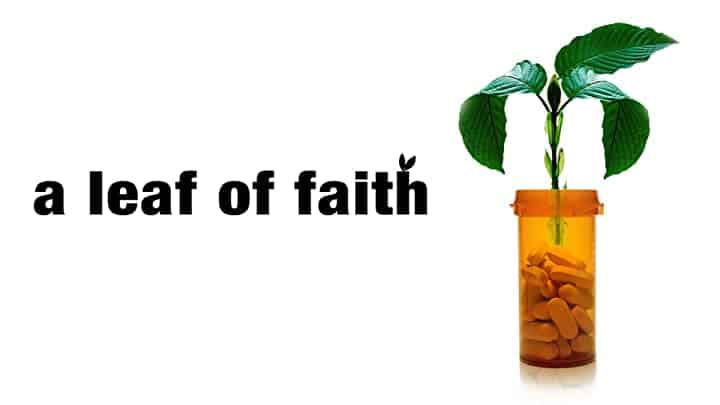
Kill the pain, not the patient
The documentary takes a deep dive into the benefits, dangers and lingering questions around kratom leaf as an alternative to opioid painkillers.”
– A FILM BY CHRIS BELL
- Testimonials
- Contact
- Home
- Shop
Kratom by Effect
Kratom by Color
Other Products
JUST ARRIVED!!
- FAQs
- Blog
- Useful Info
Kratom by Symptom
Kill the pain, not the patient
The documentary takes a deep dive into the benefits, dangers and lingering questions around kratom leaf as an alternative to opioid painkillers.”
– A FILM BY CHRIS BELL
- Testimonials
- Contact
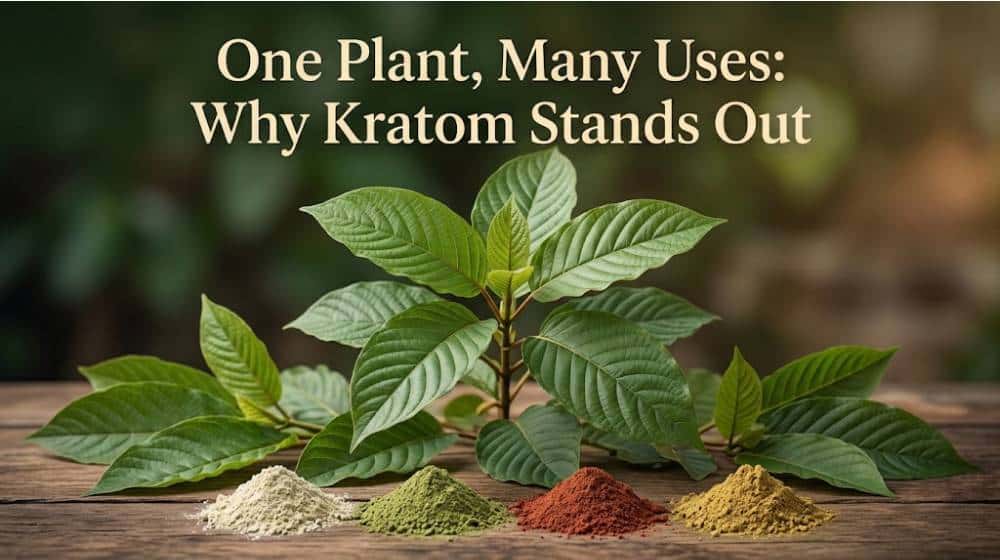
One Plant, Many Uses: Why Kratom Stands Out
One Plant, Four Colours, Countless Possibilities
One Plant, Many Uses: Why Kratom Stands Out is a fascinating look at how one tropical plant can produce several different varieties, each with its own characteristics. Native to Southeast Asia, Kratom has been used for generations, and today its white, green, red and gold varieties attract interest for a wide range of reasons. But how can one plant produce such different products? The answer lies partly in its leaves and how they are harvested, dried and processed.
It All Starts With the Leaves
Kratom leaves contain naturally occurring compounds called alkaloids, with mitragynine being the best known. These compounds contribute to the plant’s distinctive characteristics.
However, the leaves don’t simply go from tree to powder. Once harvested, they undergo different drying and processing methods, and this is where things get interesting.
The amount of time the leaves spend drying, the temperature, airflow and exposure to sunlight can all influence the finished product. Even small differences in how the leaves are handled can affect their colour and chemical composition.
Four Colours, One Remarkable Plant
If you’ve ever wondered why Kratom comes in different colours, the answer has a lot to do with how the leaves are handled after harvesting.
White Kratom is commonly produced using shade or indoor drying methods with limited direct sunlight exposure. It is often associated with more energising and stimulating characteristics.
Green Kratom generally undergoes controlled drying and is often described as a middle-ground variety. Many people associate it with a combination of stimulating and relaxing characteristics.
Red Kratom is associated with different drying and processing techniques, which can include greater light exposure and oxidation. It is commonly marketed for its relaxing and calming characteristics.
Gold Kratom is particularly interesting because its production can involve additional drying methods, specialised processing or blending. These techniques contribute to its distinctive golden appearance and make it another popular variety.
What Makes Each Variety Different?
It isn’t just about colour. The natural alkaloid content can vary depending on the leaves themselves, the growing conditions and how they are processed.
In fact, a 2025 research paper published in Frontiers in Plant Science examined how withering periods and drying temperatures influence Kratom’s alkaloid composition. The findings highlighted just how much post-harvest handling can matter.
This also explains why two products with the same colour classification aren’t necessarily identical in composition or strength.
One Plant, Plenty to Talk About
That’s what makes Kratom so interesting. One botanical species produces a range of varieties with different characteristics, processing methods and traditional associations.
Whether you’re comparing white, green, red or gold Kratom, understanding how each variety is produced gives you a much better appreciation of the plant itself.
Sometimes, the difference between four products begins with something as simple as how a leaf is dried.
Research reference:
Zhang et al. (2025), Alkaloid biosynthesis in medicinal crop kratom (Mitragyna speciosa) varies with postharvest, genetic, and seasonal factors.