
- Home
- Shop
Kratom by Effect
Kratom by Color
Other Products
JUST ARRIVED!!
- FAQs
- Blog
- Useful Info
Kratom by Symptom
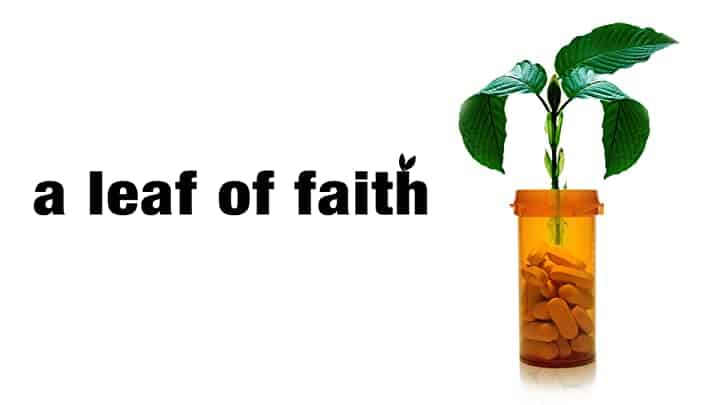
Kill the pain, not the patient
The documentary takes a deep dive into the benefits, dangers and lingering questions around kratom leaf as an alternative to opioid painkillers.”
– A FILM BY CHRIS BELL
- Testimonials
- Contact
- Home
- Shop
Kratom by Effect
Kratom by Color
Other Products
JUST ARRIVED!!
- FAQs
- Blog
- Useful Info
Kratom by Symptom
Kill the pain, not the patient
The documentary takes a deep dive into the benefits, dangers and lingering questions around kratom leaf as an alternative to opioid painkillers.”
– A FILM BY CHRIS BELL
- Testimonials
- Contact
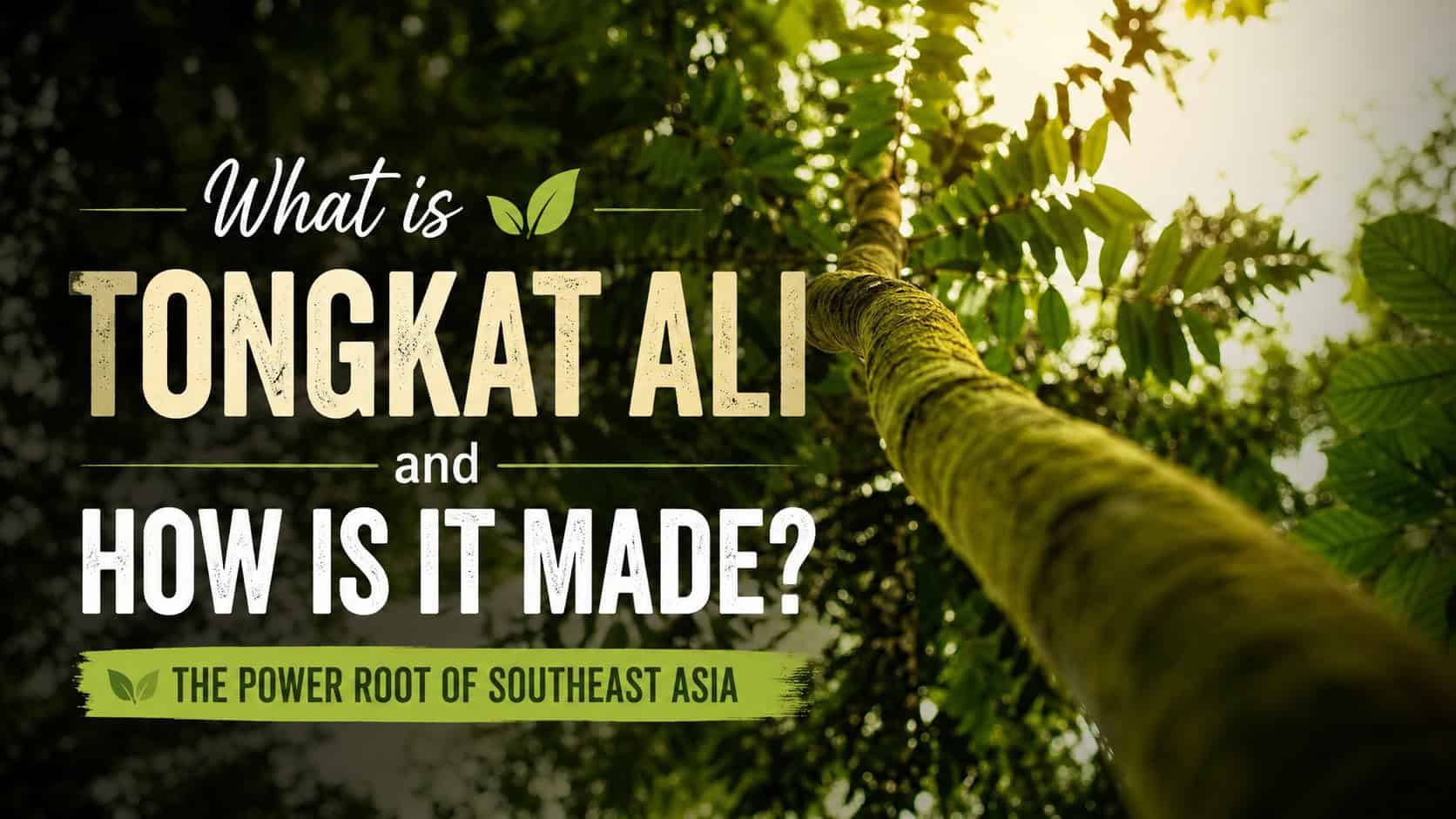
What is Tongkat Ali and How is it Made?
What is Tongkat Ali and How is it Made?
What Tongkat Ali Actually Is
Tongkat Ali is a traditional herbal root that comes from the Eurycoma longifolia tree, native to the dense rainforests of Southeast Asia, especially Malaysia, Indonesia, and Thailand. For centuries, it has been used in local herbal traditions as a general vitality tonic, valued for its naturally bitter root and its reputation for supporting strength, stamina, and overall energy.
The part used in supplements is almost always the root, which is where the highest concentration of active compounds is found. These compounds include quassinoids and alkaloids, which are the main reason the plant has become so widely studied and exported in modern wellness markets.
How Tongkat Ali Is Harvested and Made
The process of turning Tongkat Ali into a usable supplement is surprisingly involved and heavily focused on the root’s quality.
Mature trees are typically harvested only after several years of growth, as younger roots are considered less potent. Once the roots are dug up, they are carefully cleaned and then sliced into smaller pieces. These pieces are traditionally air-dried under controlled conditions, often in shaded environments to preserve the natural compounds.
After drying, the roots are either ground into a fine powder or processed further using water or alcohol-based extraction methods. This creates a concentrated extract that can be standardized and used in capsules, powders, or liquid tinctures. The extraction process is what allows modern products to deliver a more consistent level of active compounds compared to traditional raw root powder.
Traditional Use and Modern Popularity
Historically, Tongkat Ali was used in herbal decoctions, where the root would be boiled in water to create a strong, bitter drink. It was commonly associated with general vitality and endurance, especially among men in rural communities working physically demanding jobs.
In modern times, it has gained global attention in the supplement world, particularly in sports nutrition and men’s wellness categories. However, its appeal has expanded beyond that, as people explore natural plant-based options for supporting energy and performance.
What Tongkat Ali Is Commonly Used For
Tongkat Ali is traditionally associated with a range of wellness and vitality-supporting uses, especially in herbal medicine systems across Southeast Asia.
It is commonly linked to:
- Supporting natural energy levels and reducing feelings of fatigue
- Enhancing physical endurance and stamina, especially in active lifestyles
- Supporting libido and general vitality
- Helping the body adapt to physical and mental stress
- Supporting overall male wellness and hormonal balance
- Promoting focus and drive during demanding periods
These traditional uses are part of why Tongkat Ali has become popular in modern supplement culture, especially in sports nutrition and natural energy blends.
How It Compares to Other Popular Herbs
Tongkat Ali is often mentioned alongside other well-known herbal supplements, but it has a slightly different profile.
Compared to Ashwagandha, which is known for its calming and stress-balancing properties, Tongkat Ali is generally viewed as more energising and performance-focused in traditional use.
When compared to Maca root, Tongkat Ali is often seen as more targeted toward physical performance and vitality, while maca is typically associated with broader mood, energy, and libido support.
Against Panax ginseng, Tongkat Ali is usually positioned as more specialised, whereas ginseng is widely regarded as a general adaptogen used for overall vitality, mental clarity, and resilience.
A Root With Deep Cultural Roots
What makes Tongkat Ali especially interesting is how it bridges traditional herbal knowledge with modern supplement science. From its rainforest origins to its refined extract forms, it has moved from a regional folk remedy into a globally recognised wellness ingredient.
Today, it continues to grow in popularity as people look for plant-based ways to support energy, performance, and everyday vitality, keeping this once-local rainforest root firmly in the global spotlight.